
Quantum chips need a third dimension
SuperQube is developing 3D quantum tunnels to connect superconducting qubits across stacked chip layers. Our goal is to give quantum processor designers greater freedom to connect qubits and build towards scalable, fault-tolerant systems.
Developed with researchers at the University of Twente, our technology is being built for integration into the next generation of quantum processors.
Concept illustration of connections between qubits on different layers of a chip stack.
Scaling starts with connectivity
Building a useful quantum computer takes more than adding qubits. How those qubits connect shapes the operations a processor can perform, the complexity of its layout and the resources needed to correct errors.
More freedom to connect
In architectures built around nearest-neighbour connections, interactions between distant qubits require additional operations. Connections between layers could create shorter paths and give designers more flexibility in how they arrange a processor.
More room to build
As processors grow, routing control, readout and coupling structures becomes increasingly demanding. A three-dimensional architecture opens up new design possibilities beyond a single plane.
New options for error correction
Some promising error-correcting codes need connections beyond a local two-dimensional grid. We aim to provide hardware connections that could help make these architectures practical.
16 qubits: fewer lines to route.
64 qubits: more routing pressure within the same footprint.
Connections through the stack
Our 3D quantum tunnels are designed to link qubits on different chip layers directly. We are developing this connectivity as an enabling technology for companies building superconducting quantum processors.
Grounded in superconducting device physics
The concept builds on established superconducting elements and fabrication methods. Our research focuses on turning that foundation into working devices and evaluating their performance.
Developed through experiment
At the University of Twente, the team brings together device modelling, nanofabrication and low-temperature measurement. The immediate focus is to fabricate and characterise the first tunnel devices, then progress towards integration with qubits.
Built for collaboration
We welcome conversations with quantum hardware teams exploring three-dimensional architectures. Technical details are available to prospective partners and investors under NDA.
From first devices to integration
-
2025
Concept and patent filing
Architecture defined and European patent application filed.
-
2026
First devices in development
Simulation, design and fabrication began in August at MESA+, University of Twente. Device measurements are the next step.
-
Next
Integrated demonstrator
Demonstrate connections between qubits on stacked layers, building on the results of the first device programme.
-
Beyond
Development with industry
Work with industrial partners towards larger devices and integration into quantum processor architectures.
The researchers building SuperQube
Stijn de Wit, Thijs Roskamp and Dr. Biplab Bhattacharyya carry out SuperQube's development programme in Prof. Alexander Brinkman's Quantum Transport in Matter group at the University of Twente. Together, their expertise connects the underlying physics with the practical work of fabrication and measurement.
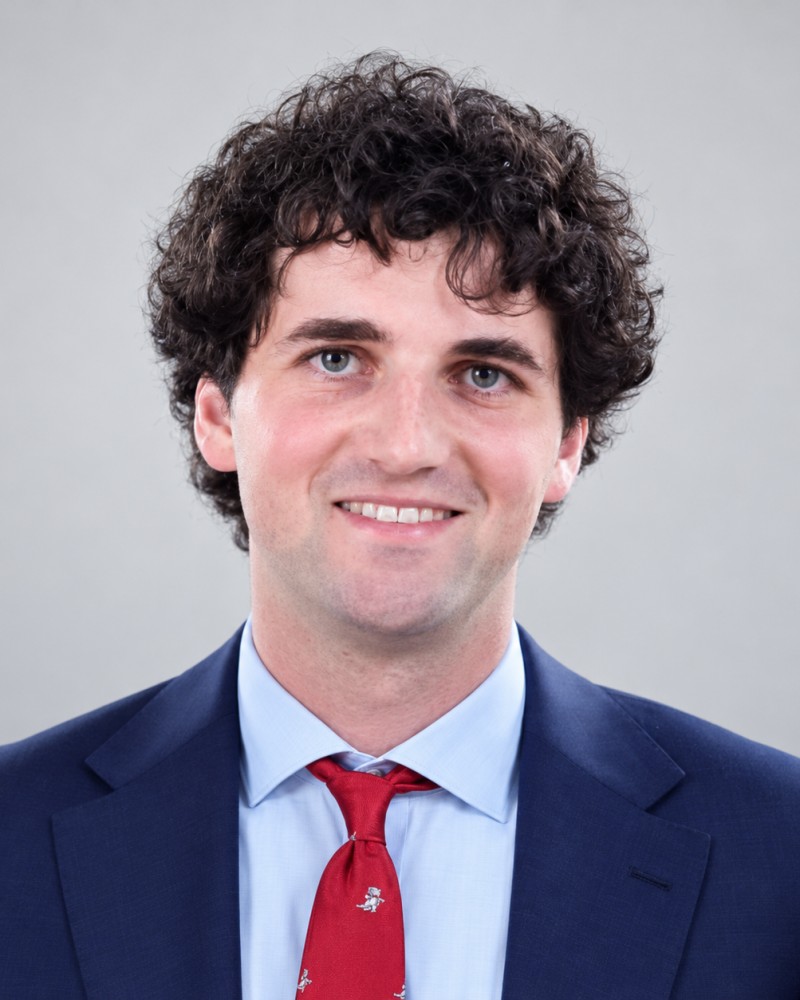
Stijn de Wit
PhD researcherSuperconducting and topological quantum devices.
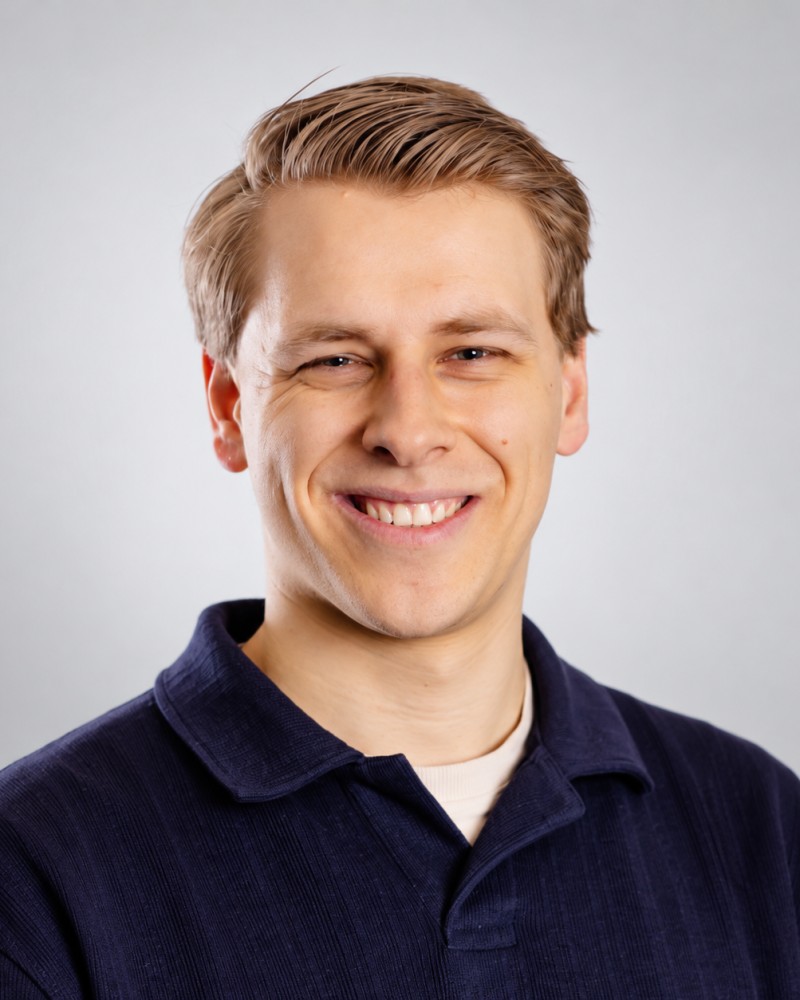
Thijs Roskamp
PhD researcherNanofabrication and superconducting device physics.

Dr. Biplab Bhattacharyya
ResearcherSuperconducting materials and devices.
The programme is commissioned and funded by SuperQube and carried out at the University of Twente.
Experience taking science into industry
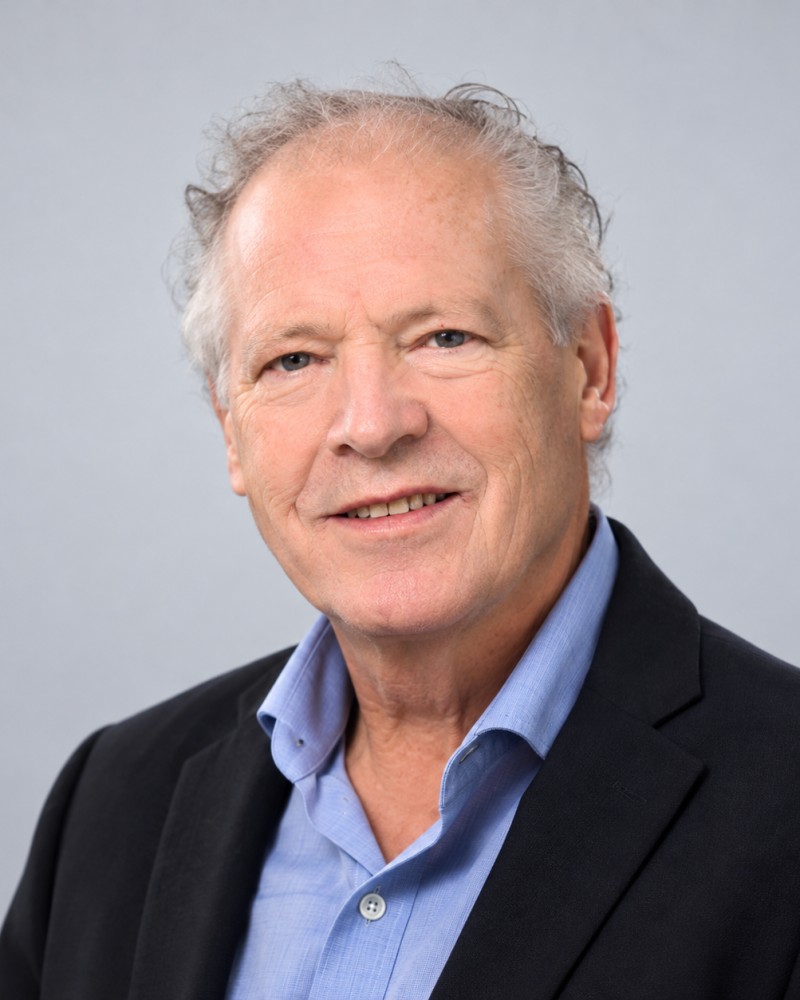
Dave Blank
Co-founderProf. Dr. Ing. Dave H.A. Blank is a former Scientific Director of the MESA+ Institute for Nanotechnology at the University of Twente. His research spans superconducting materials, thin films and device fabrication. He brings decades of scientific leadership and experience connecting academic research with the semiconductor industry.
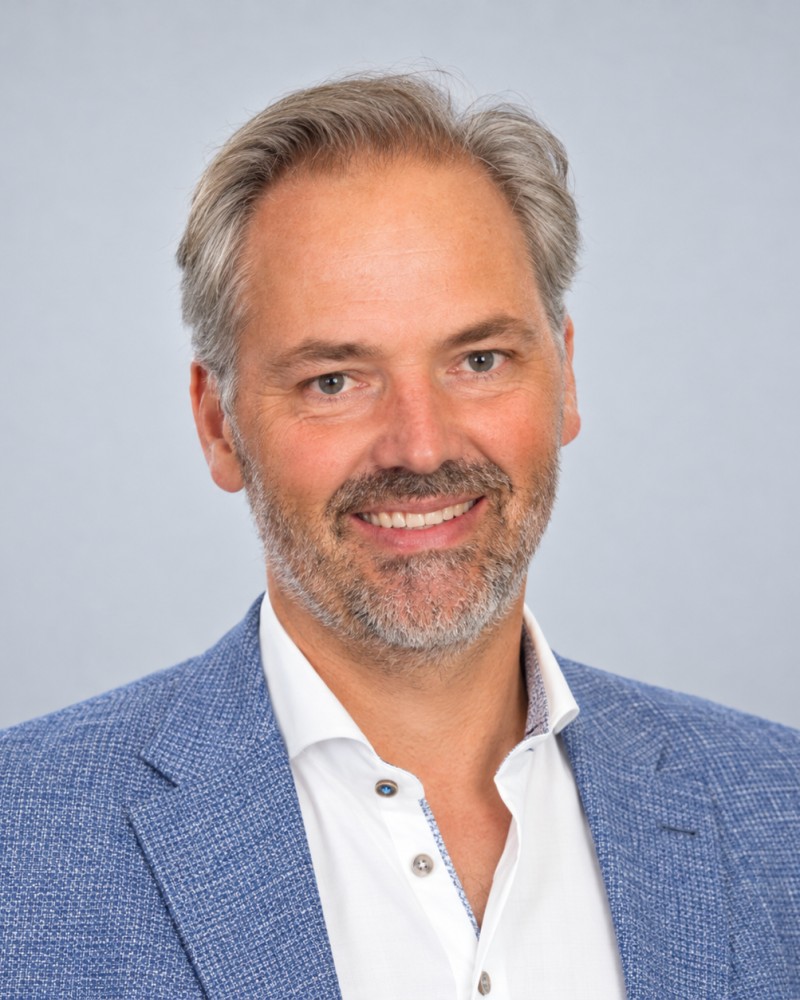
Arjen Janssens
Co-founderArjen Janssens (MSc, MBA) founded Solmates and led its development from a MESA+ spin-off to its acquisition by Lam Research, where he subsequently served as a senior director. A materials scientist and entrepreneur, he brings experience turning advanced deposition technology into equipment for the semiconductor market.
Rooted in Twente and connected to industry
MESA+ NanoLab
University of TwenteThe nanofabrication facilities at MESA+ support the development and fabrication of SuperQube's first devices.
Quantum Transport in Matter
University of TwenteProf. Alexander Brinkman's research group carries out the development programme, bringing expertise in superconducting quantum devices and low-temperature experiments.
Deep Matter One
AmsterdamDeep Matter One, the pre-seed programme of specialist quantum investor Ground State Ventures, backs SuperQube from day one. Deep Matter One funds Dutch quantum founders at the very start, on clean terms and with a team that knows quantum.
Help build the next layer of quantum hardware
SuperQube combines a patent-pending architecture with a research programme at the University of Twente and founders who have taken semiconductor technology from the laboratory into industry.
We are at the first-device stage. Our next objective is experimental validation, followed by an integrated demonstrator. We welcome investors and strategic partners who want to help develop the technology towards integration in quantum processors.
Under NDA, we can discuss the architecture, patent position, development milestones and funding requirements, alongside experimental results as they become available.
Start a conversation
Research collaborations, technology partnerships and investment enquiries
SuperQube B.V.
The Netherlands